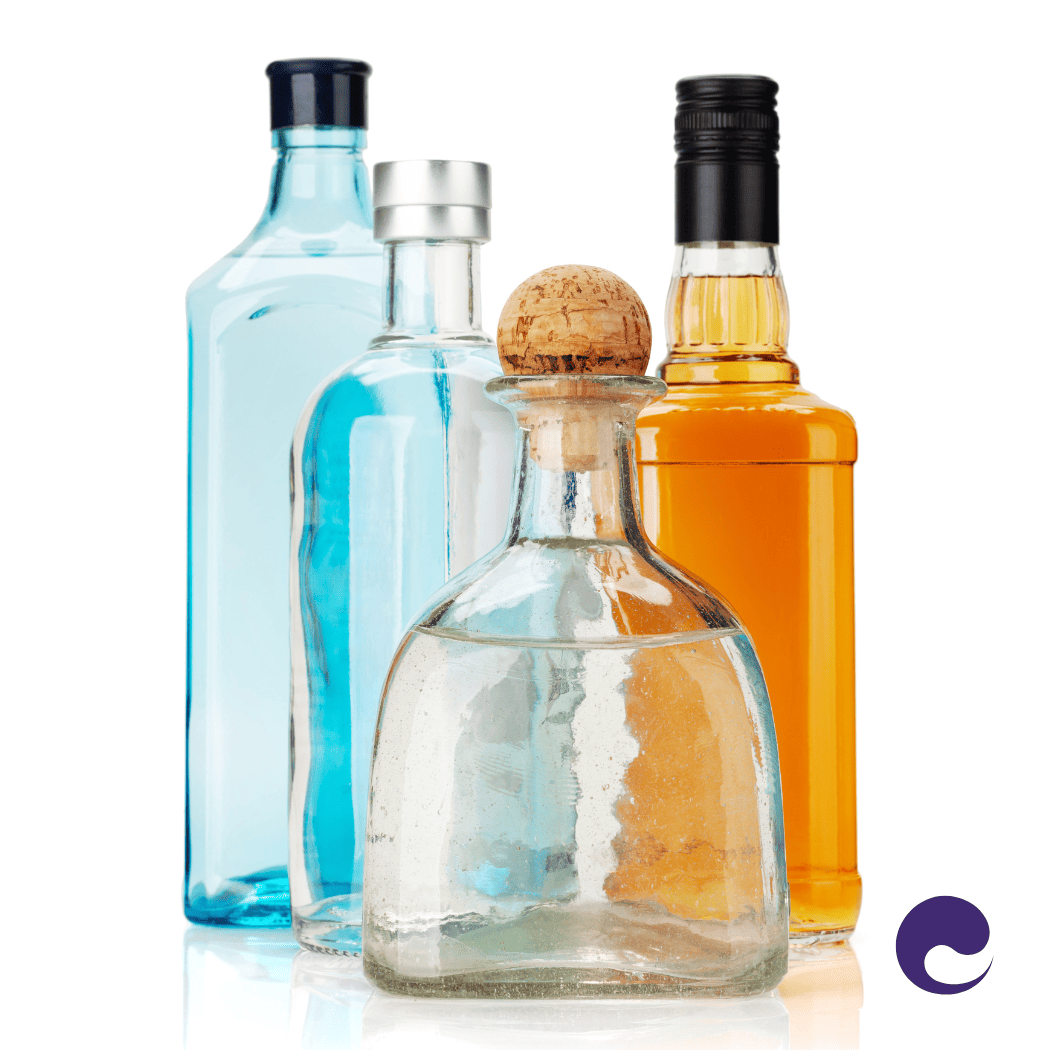
In the world of spirits, the bottle is more than a mere vessel or container. In the perspective of the consumer, the bottle becomes the first brand experience that conveys heritage, personality, quality and promise. Liquor packaging designers don’t choose shapes and styles at random. They borrow these from familiar objects such as apothecary jars, tonic bottles, decanters, perfume bottles and even vintage tools to communicate emotional and even intellectual signals. These subtle cues allow consumers to position a drink as traditional, therapeutic, exotic, elite, etc.
This strategy works because human perception is deeply shaped by certain associations with objects or representations. We don’t just see a bottle; we interpret it through visual memory and the way our brains connect the shape with an explanation. When a vodka bottle resembles an old medicine bottle, or a gin bottle echoes a Victorian pharmacy vessel, consumers are nudged to project narratives like purity, warmth, benefits or ritual, onto the spirit it holds.
Let’s break down how and why 11 iconic liquor bottles borrow from other sources and how these visual signals mold the consumer perception.
Absolut – Apothecary Jar
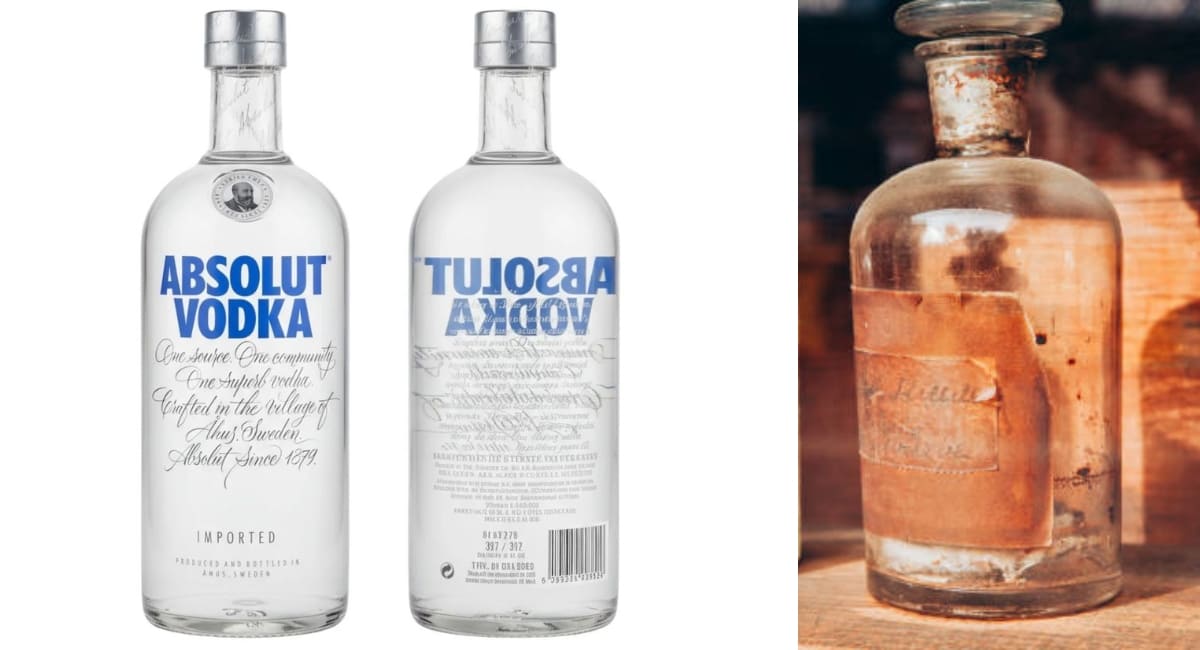
When Absolut emerged in the late 20th century, it disrupted what a premium vodka was supposed to look like. No elongated neck, no exaggerated curves or no ornamentation representation of European grandeur. Instead, it had a simple, clear, label-less bottle with the brand name and text printed directly onto the glass.
The reference point for this design was an old apothecary glass jar from Sweden.
An apothecary jar carried centuries of psychological connection. It suggests formula, purity, dosage and medicine. Medicines are trusted. By adopting this visual language, Absolut reframed vodka from a party fuel into something almost clinical in its clarity.
The transparency of the packaging amplifies this. Nothing is hidden. The consumer subconsciously reads “Its good for me”.
Drinkers often describe Absolut as clean and genuine, seeded by the bottle before the palate ever confirms them.
Psychological impact:
- Purity & precision: Consumers equate medicine bottles with sterility and clarity. This mirrors Absolut’s brand promise of unadulterated, clean vodka.
- Trust & heritage: An apothecary shape conveys history and craftsmanship, implying the vodka is a carefully “formulated” spirit, not just a commodity.
Jagermeister – Herbal Tonic Bottle
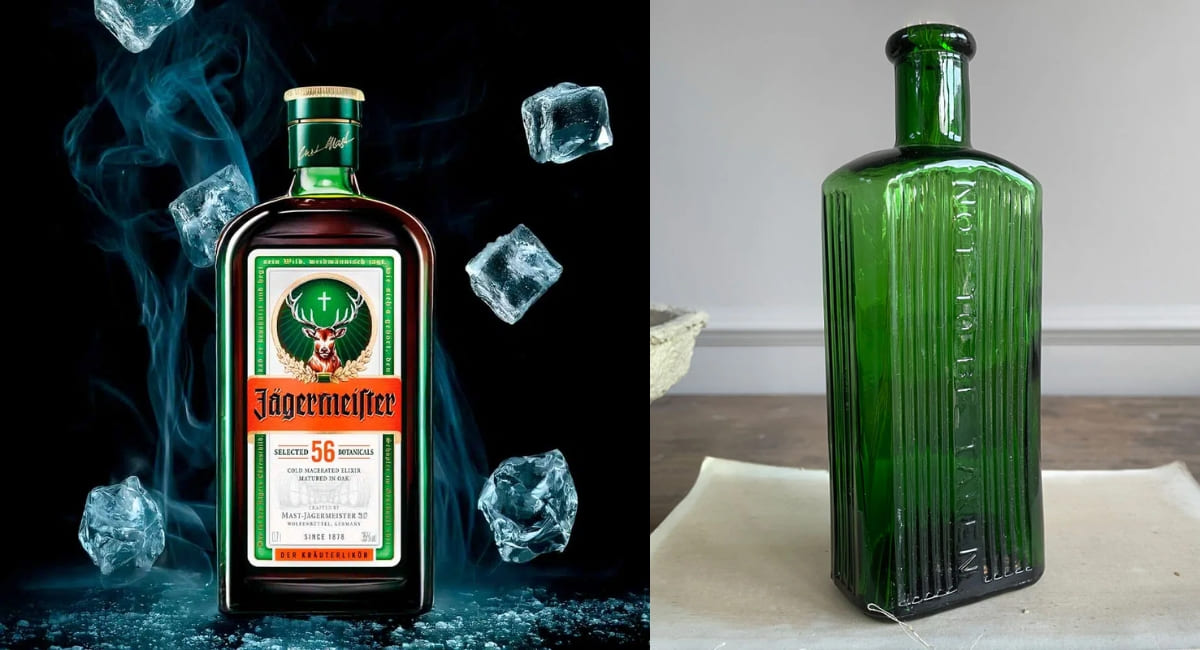
With 56 herbs, roots, and spices, Jägermeister already sits adjacent to historical digestifs and medicinal bitters. The bottle reinforces this image, inviting drinkers to treat each shot as something potent and almost curative. The dark green glass, dense label, and almost utilitarian stance make Jägermeister feel closer to a tonic than a party drink.
The bottle tells consumers they are about to experience concentration, potency, an almost alchemical blend. It validates the 56-ingredient recipe without needing explanation. The bottle texture is and looks complicated and the flavor is too.
Interestingly, what once symbolized cure now symbolizes character. The brand becomes attractive to consumers who enjoy intensity, loyalty, ritualistic consumption, and belonging to a tribe that “understands” it.
Psychological impact:
- Herbal complexity: The bottle visually primes consumers to expect complexity and warmth, aligning with its blend of 56 herbs and spices.
- Tradition & mystique: Tonic-like imagery suggests old-world ritual, encouraging drinkers to see the spirit as something more than alcohol — almost a cultural artifact.
Drambuie – Elixir Bottle
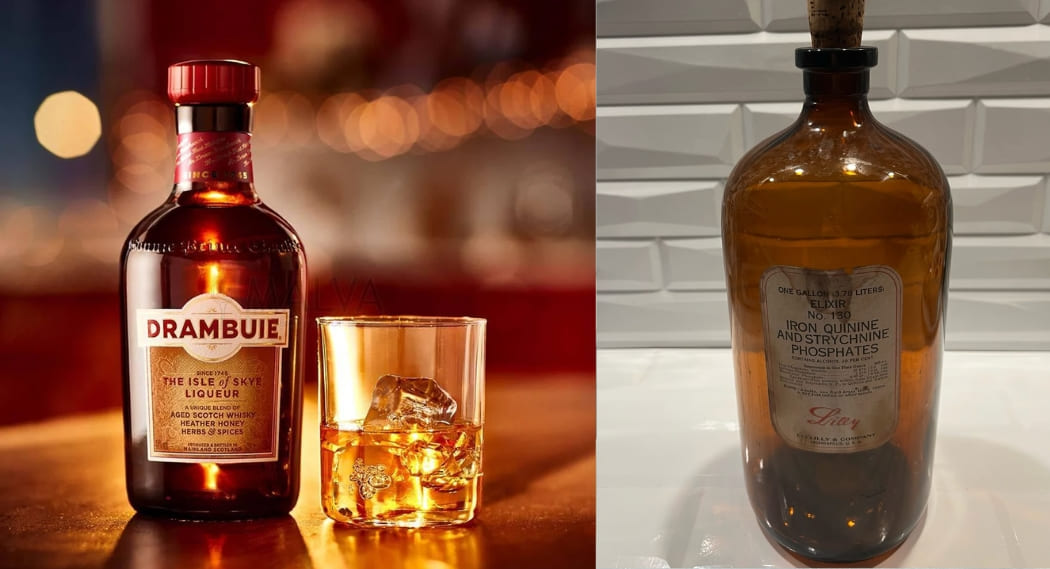
Drambuie’s bottle resembles old restorative or tonic bottles that were used to store herbal remedies and digestive elixirs. The rounded shape and deep amber color give it a traditional and slightly old-fashioned appearance.
In the past, tonic bottles were associated with strength, recovery and comfort. Drambuie borrows this visual style to suggest warmth and richness. The golden liquid inside the amber glass reinforces the idea of honey and herbs.
The bottle makes consumers feel or realise that this is not a fast drink. It is something supposed to be sipped slowly. It feels comforting and mature.
Consumers often approach Drambuie as a refined after-dinner drink, influenced by the bottle before tasting it.
Psychological impact:
- Warmth & comfort: The elixir-style bottle suggests richness and soothing character.
- Tradition & maturity: The old-style shape makes the brand feel historic and established.
Hendrick’s – Victorian Pharmacy Bottle
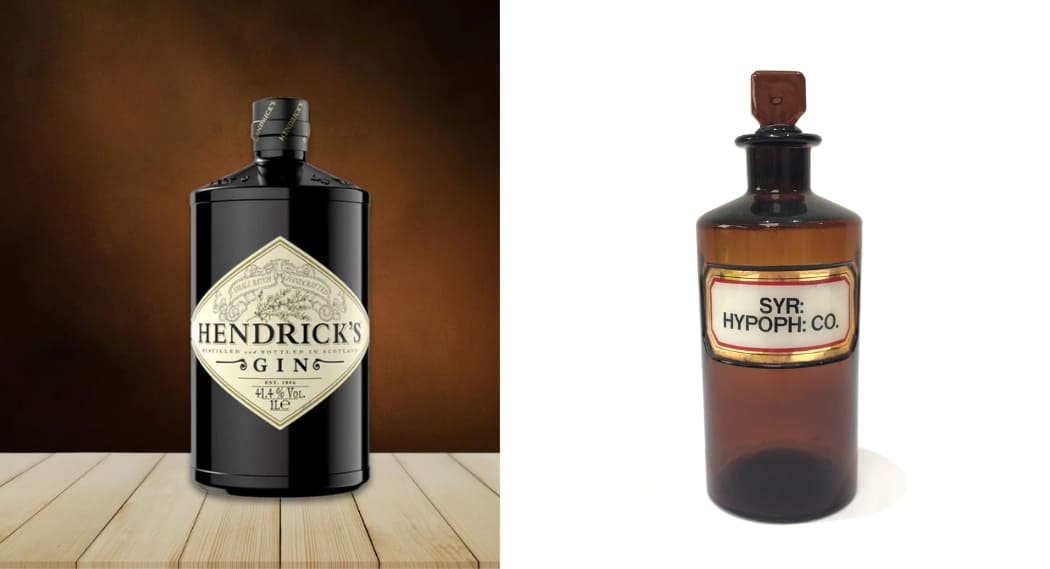
Hendrick’s bottle clearly resembles a 19th-century pharmacy or a laboratory container. The dark glass, short neck, and detailed label make it look like something used for storing special ingredients.
Pharmacy or chemist bottles are associated with careful measurement and scientific preparation. By using this design, Hendrick’s suggests that its gin is formulated with attention and precision.
Because the brand uses unusual ingredients like cucumber and rose, the pharmacy style helps make those ingredients feel intentional and purposeful rather than strange. The bottle signals that there is a thoughtful process behind the recipe.
Consumers see it as a crafted and carefully formulated gin, not just another spirit.
Psychological impact:
- Craft & care: The pharmacy shape suggests careful blending and attention to detail.
- Curiosity & uniqueness: The unusual bottle attracts consumers who enjoy trying something different.
Hennessy – Regal Decanter
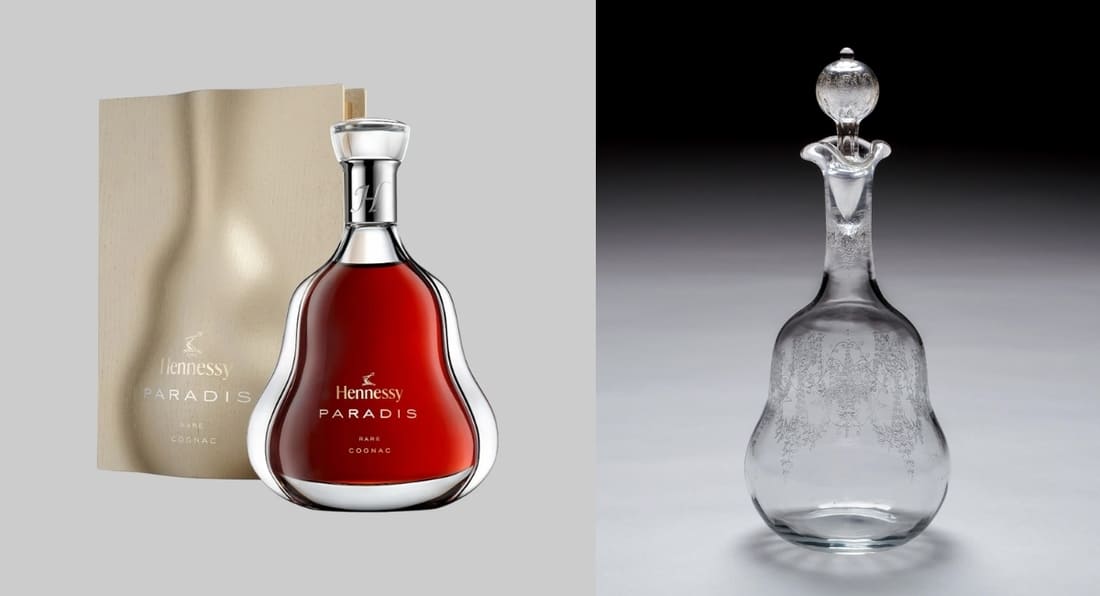
Hennessy bottles are inspired by traditional decanters used in formal dining and royal settings. The wide base and structured shape give it a sense of importance. Hennessy prefers to simplify the surface to give it a modern look instead of a traditional one.
Decanters have long been associated with status, celebration, and fine living. By adopting this style, Hennessy positions itself as a premium and respected spirit.
The design makes the act of pouring feel ceremonial. Consumers often associate the brand with achievement, milestones, and success.
Even before tasting, the bottle signals that this is a serious and respected drink.
Psychological impact:
- Status & prestige: The decanter shape suggests luxury and accomplishment.
- Ceremony & importance: The bottle makes the drinking experience feel special.
Baileys – Dairy/Milk Bottle
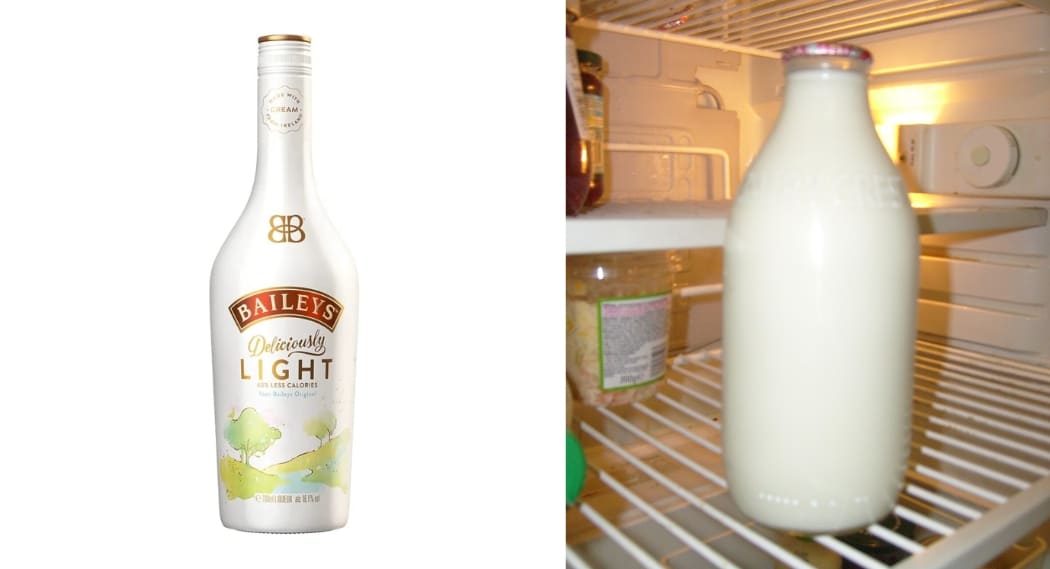
Baileys is an Irish cream liqueur made with Irish whiskey and cream. It is known for its smooth, sweet taste and is commonly enjoyed in coffee, desserts, or on its own.
Baileys has a soft, rounded bottle that subtly resembles dairy or cream containers. Since the product is made with cream, this visual connection feels natural.
Dairy bottles are linked with comfort, home, and sweetness. The shape and design make Baileys feel less intimidating compared to stronger spirits like whisky or rum.
The bottle communicates that the drink is smooth and easy to enjoy. Many consumers feel comfortable choosing Baileys because the packaging looks friendly and familiar.
It attracts people who prefer indulgence over intensity.
Psychological impact:
Comfort & sweetness: The dairy-inspired look signals smooth and creamy flavor.
Approachability: The friendly design makes it accessible to a wider audience.
Disaronno – Perfume Decanter
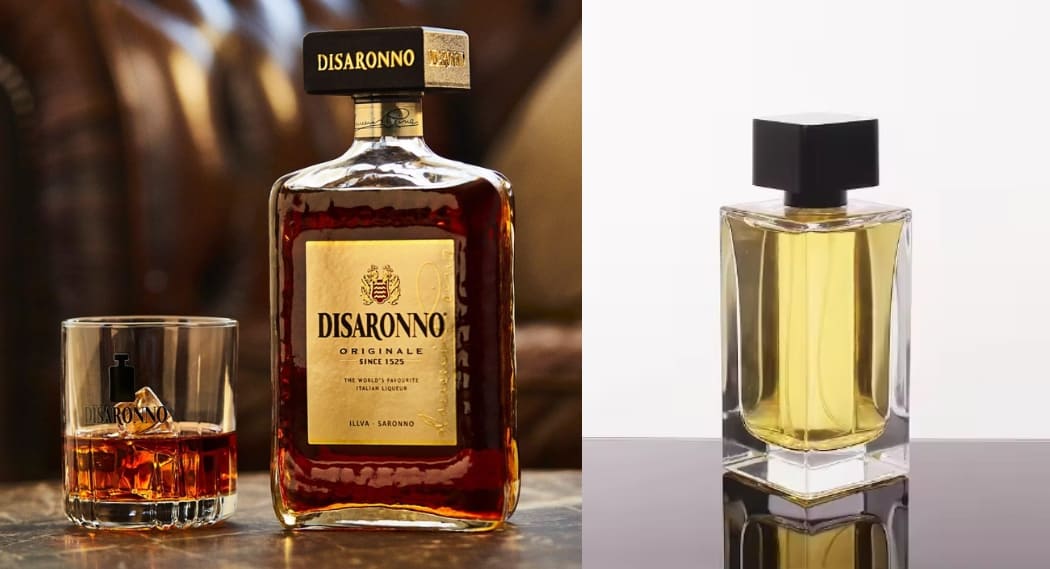
Disaronno’s square bottle with a decorative cap resembles a perfume or fragrance bottle. The clean edges and elegant design give it a refined look.
Perfume bottles are associated with aroma, beauty, and presentation. Since Disaronno is known for its almond aroma, the visual similarity strengthens that connection.
The design makes the bottle feel decorative and stylish. Many consumers treat it as something that looks good on display.
It appeals to those who value appearance and sensory experience.
Psychological impact:
- Aroma focus: The perfume-like design highlights fragrance and flavor.
- Style & elegance: The bottle attracts consumers who appreciate visual appeal.
Tanqueray – Cocktail Shaker
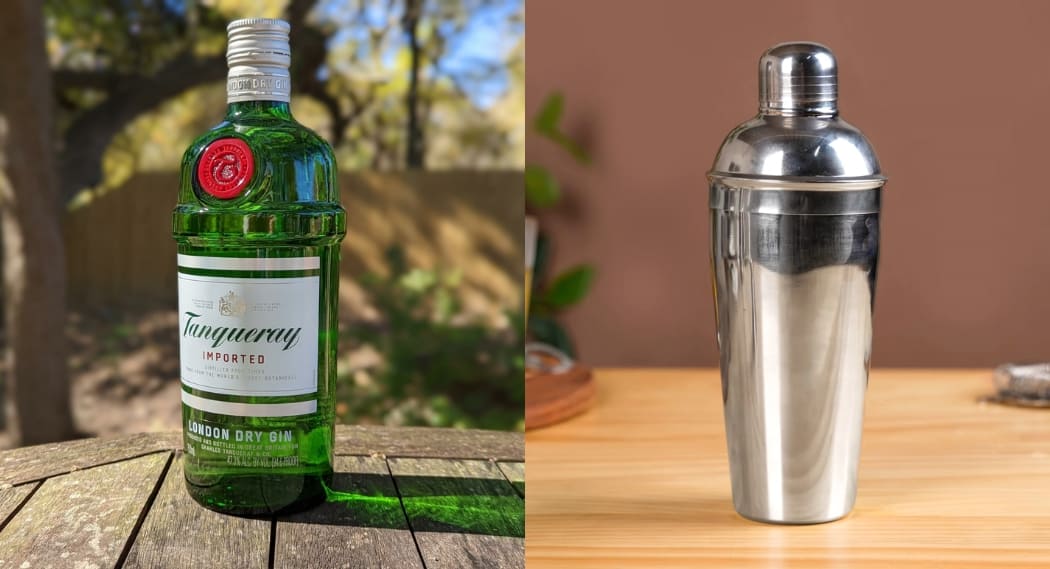
Tanqueray’s tall, structured green bottle has a strong and functional look. Its design is often compared to bar tools or cocktail equipment.
The solid structure and metallic detailing give it a professional appearance. It feels like it belongs in a bar setting rather than a home shelf.
This design signals reliability. Consumers often associate Tanqueray with classic cocktails and traditional gin recipes.
The bottle suggests that this gin performs well in mixed drinks.
Psychological impact:
- Reliability: The strong design signals consistent performance in cocktails.
- Professional appeal: It attracts consumers who appreciate classic bar culture.
Kraken Rum – Stoneware Jug with Hoop Handles
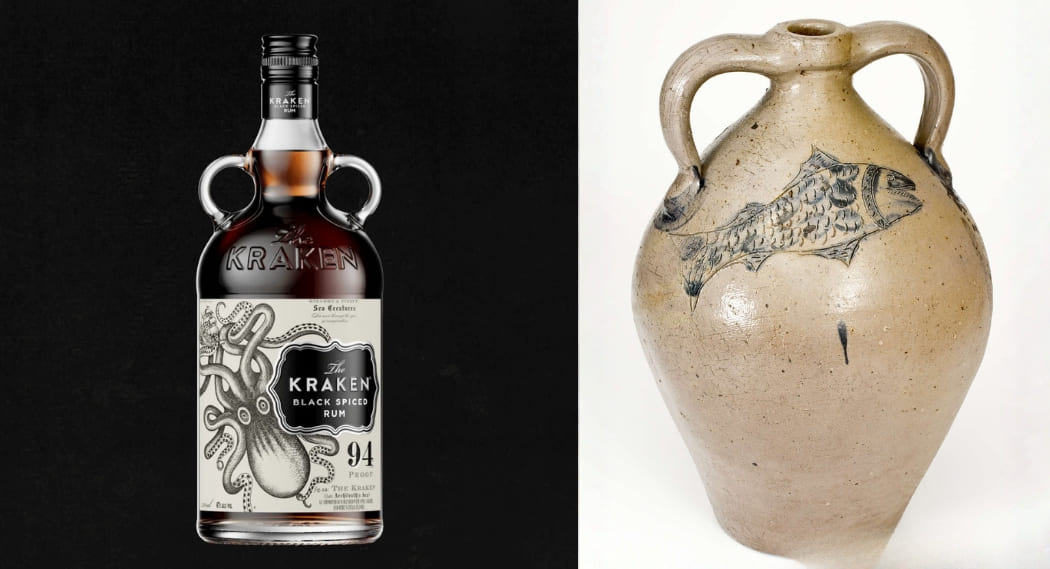
Kraken is a black spiced rum inspired by sea legends and maritime history. It is known for its dark color, strong spice notes, and bold personality.
Its bottle design is inspired by old stoneware jugs that featured two small hoop handles on the shoulders. These types of jugs were practical containers used to carry liquids safely. The small loop handles allowed rope to pass through them so the bottle could be secured during transport, especially at sea.
This design choice connects directly with maritime history. On ships, containers had to be sturdy and easy to fasten. The two hoop handles suggest durability and function rather than decoration. The thick dark glass further strengthens the idea of something built to survive movement and rough conditions.
For consumers, the handles make the bottle feel tactile and solid. It looks like an object with history, not just packaging. The design supports the brand’s ocean-inspired story without needing long explanations.
The bottle suggests strength, travel, and adventure. It feels like something that could have been pulled from a ship’s cargo hold.
Psychological impact:
- Strength & durability: The two hoop handles and heavy form suggest toughness and resilience.
- Maritime authenticity: The old jug reference reinforces the brand’s sea legend positioning and adventurous identity.
Monkey 47 – Ink Bottle
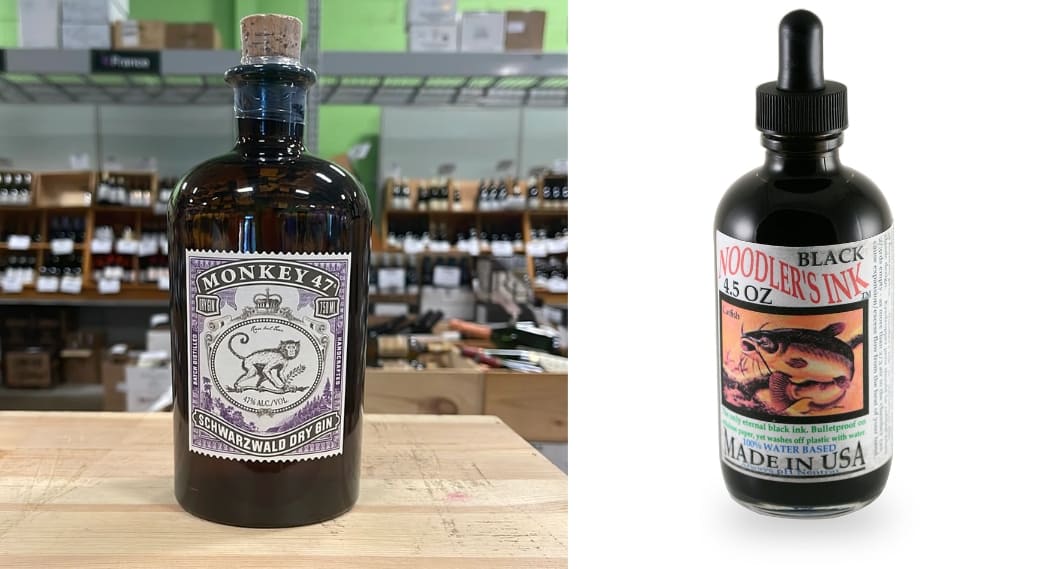
Monkey 47 is a premium German gin made in the Black Forest and crafted with 47 botanicals. It is known for its layered, complex taste and strong attention to detail.
Its bottle design resembles a traditional ink bottle or inkwell. The dark glass, compact shape, and dense label create the impression of something used for writing, recording, and careful documentation.
Ink bottles are closely linked with creativity, thought, and intellectual work. They were tools of writers, philosophers, mapmakers, and scholars. Important ideas, books, and discoveries once began with ink drawn from such bottles.
By borrowing this form, Monkey 47 positions itself as a thoughtful and deliberate product. The design suggests that the gin is not random or mass-produced. It feels composed, almost written into existence.
The heavy label, filled with detail, reinforces this idea. It looks like information meant to be studied rather than quickly scanned. Consumers may subconsciously connect the bottle with intelligence, curiosity, and patience.
The ink bottle shape also suggests permanence. Ink leaves a mark. In the same way, the brand implies that its flavor leaves a lasting impression.
Psychological impact:
- Creativity & intellect: The ink bottle reference appeals to consumers who see themselves as thoughtful, curious, and expressive.
- Depth & deliberation: The structured, compact design supports the idea of complexity and careful formulation.
Buchanan’s – Field Canteen
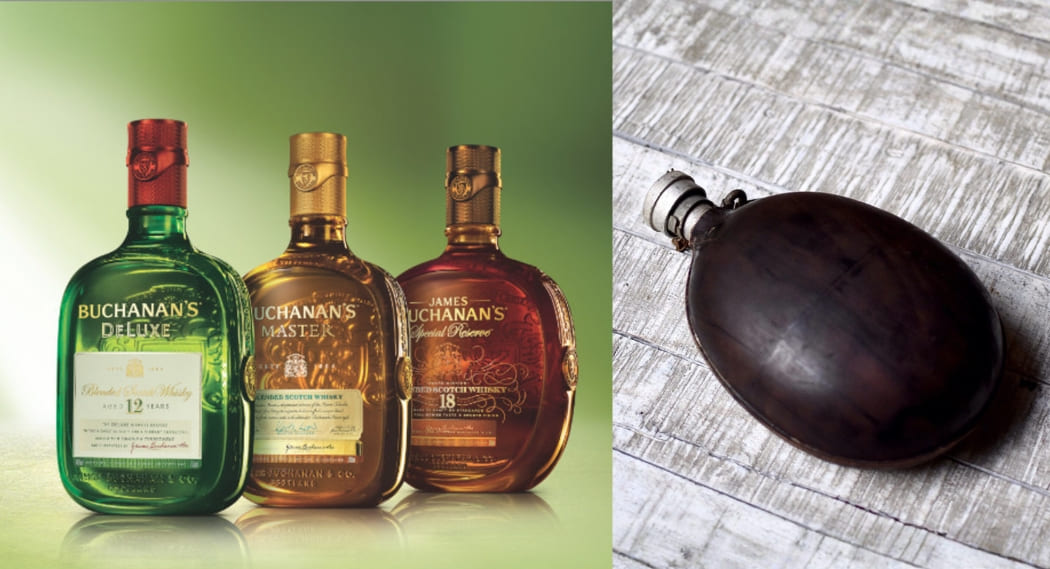
Buchanan’s is a Scotch whisky brand known for its smooth blended whiskies. It has a long history and is often associated with tradition and shared celebrations.
Its rounded, compact bottle resembles a traditional field canteen. The shape feels sturdy and practical.
Canteens are associated with travel, endurance, and reliability. By using this shape, Buchanan’s presents itself as dependable and heritage-driven.
The bottle feels less decorative and more grounded. Consumers may associate it with shared moments and long-standing tradition.
It appeals to those who value stability and legacy.
Psychological impact:
- Dependability: The canteen shape suggests strength and reliability.
- Heritage: The traditional look reinforces the brand’s long history.
When we look at all these brands together, one thing is clear – the bottle is not just a container. It is a signal.
Liquor brands borrow shapes from medicine jars, ink bottles, perfume decanters, dairy containers, and travel canteens because these objects already mean something to us. We trust medicine bottles. We admire decanters. We feel comfort from dairy containers. We associate ink bottles with creativity. We connect canteens with reliability and journey.
The shape of the bottle quietly tells us what kind of drink this is and what kind of person might choose it.
Before tasting, consumers already expect something. They expect purity, strength, comfort, creativity, tradition, or status. These expectations shape how the drink is experienced.
In the end, people are not only buying alcohol. They are buying a feeling. A mood. An identity.
And often, that choice begins with the bottle.